Orgonite Science
Orgonite Materials & Craftsmanship
What Goes Into a Handcrafted Orgonite Piece
Most orgonite products you’ll find online are decorative statues — attractive pieces made mostly of clear resin and a few embedded gemstones. Fix the World Project, run by Hope and Tivon out of Marrakesh, Morocco, has spent over eight years building a different kind of product: dense, hand-poured composites made from specific powdered materials, chosen deliberately rather than for looks alone.
This page explains what those materials are, why we chose them, and how we make each piece.
The History: Wilhelm Reich and the Orgone Concept
The concept of “orgone energy” traces back to the 1930s and the work of Dr. Wilhelm Reich, who built devices from alternating layers of organic and metallic material and described the energy he associated with them as “orgone.” That historical framework is the origin of the orgonite tradition and the reason later makers began combining metal and crystal materials in resin.
We share this history as context for the craft — not as a claim about what our products do to a person’s body or health.
The Ingredients We Use, and Why
We don’t keep our formula secret. Here’s what goes into every piece, and the material properties that led us to choose each one.
Quartz Crystal (Powder Form)
Quartz is a well-known piezoelectric material — meaning it generates a small electrical charge under mechanical stress. This property is why quartz is used in watches, oscillators, and electronic frequency control. We use it in powdered form as part of our composite blend, continuing a material tradition within orgonite-making.
Iron Oxide (Hematite and Magnetite)
Iron oxides are used in a range of industrial and electronic applications for their magnetic and dielectric properties. We include both non-magnetic and magnetic iron oxide powders as part of our blend.
Brass
Brass is a copper-zinc alloy chosen for durability and resistance to corrosion — important qualities in a material that needs to remain stable inside cured epoxy resin for years. As a copper alloy, brass carries copper’s well-documented electrical conductivity.
Steel
Steel is included for its magnetic permeability, a property used in various industrial shielding and material-science contexts.
Shungite
Shungite is a carbon-based mineral found primarily in Karelia, Russia, notable for its unusual fullerene-based molecular structure. It has been studied in academic and industrial contexts for its electrical conductivity and microwave-absorption properties, and researchers continue to study its structure and behavior.
Why We Use Powders, Not Shavings or Stones
This is a genuine material-science distinction in orgonite-making. Smaller particle size means more surface area within the same volume of resin — a straightforward physics point, independent of any claim about effects on a person. Products made mostly of clear resin with a few embedded gemstones contain very little of the active material blend by volume; ours are formulated to maximize it.
Why We Use Epoxy Resin
Epoxy resin is durable, weather-resistant indoors and outdoors, and provides the mechanical pressure needed to hold a dense composite together long-term. Alternatives like beeswax, concrete, or gel are more fragile or environmentally sensitive, which is why we don’t use them.
Is cured epoxy safe? Yes — once fully cured, epoxy resin is chemically inert and does not off-gas or leach. (Uncured/liquid epoxy requires gloves and ventilation during the pour, standard practice for any epoxy work.)
Why We Don't Use Copper Coils or Talisman Shapes
Coils are, by their basic electrical design, antennas — built to receive signals rather than simply exist inertly in a composite. We choose not to include them in our pieces. Our brass already provides copper content throughout the material blend without needing an additional coil component.
What We Look For When Sourcing Materials
If you’re comparing orgonite products from different makers, here’s what we think is worth asking about:
- Does the seller disclose their actual ingredients?
- Are those ingredients in powder form, rather than large stones or shavings?
- Is the curing material epoxy resin rather than beeswax, concrete, or gel?
- Is the interior of the piece dark (indicating powder fill) rather than mostly clear resin with a few embedded stones?
- Is the maker transparent about where and how the piece is made?
These are reasonable craftsmanship and sourcing questions — not claims about what any particular material does for your body, home, or health.
Our Approach
Hope and Tivon have been hand-making orgonite since 2017, working with over 30,000 customers worldwide. We believe in being transparent about our materials and process, and we want customers to be informed about what they’re buying — regardless of who they buy it from.
Visit ftwproject.com to see our full product range, FAQs, and customer reviews.
Frequently Asked Questions
What ingredients does FTW Project use in its orgonite?
Every FTW orgonite piece is made from quartz crystal powder, iron oxide (hematite and magnetite), brass, steel, and shungite, all set in epoxy resin. We don’t keep the formula secret — the full breakdown and reasoning is on this page.
Why does FTW Project use powdered ingredients instead of shavings or stones?
Smaller particle size means more surface area within the same volume of resin — a material-science distinction independent of any claim about effects on a person. Many mass-market orgonite pieces are mostly clear resin with a few embedded gemstones, containing very little of the actual material blend by volume; FTW’s pieces are formulated to maximize it.
Why does FTW Project use epoxy resin instead of beeswax, concrete, or gel?
Epoxy resin is durable, weather-resistant indoors and outdoors, and provides the mechanical pressure needed to hold a dense composite together long-term. Alternatives like beeswax, concrete, or gel are more fragile or environmentally sensitive.
Is cured epoxy resin safe?
Yes — once fully cured, epoxy resin is chemically inert and does not off-gas or leach. Uncured, liquid epoxy requires gloves and ventilation during the pour, which is standard practice for any epoxy work.
Why doesn’t FTW Project use copper coils in its orgonite?
Coils are, by their basic electrical design, antennas — built to receive signals rather than simply exist inertly in a composite. FTW chooses not to include them. Their brass already provides copper content throughout the material blend without needing an additional coil component.
What is shungite, and why is it used in orgonite?
Shungite is a carbon-based mineral found primarily in Karelia, Russia, notable for its unusual fullerene-based molecular structure. It has been studied in academic and industrial contexts for its electrical conductivity and microwave-absorption properties, and researchers continue to study its structure and behavior.
What questions should I ask when comparing orgonite from different makers?
A few worth asking: Does the seller disclose their actual ingredients? Are those ingredients in powder form rather than large stones or shavings? Is the curing material epoxy resin rather than beeswax, concrete, or gel? Is the interior of the piece dark — indicating powder fill — rather than mostly clear resin with a few embedded stones? Is the maker transparent about where and how the piece is made?
Who is Wilhelm Reich, and what does he have to do with orgonite?
The concept of “orgone energy” traces back to the 1930s and the work of Dr. Wilhelm Reich, who built devices from alternating layers of organic and metallic material and described the energy he associated with them as “orgone.” That historical framework is the origin of the orgonite tradition and the reason later makers began combining metal and crystal materials in resin. FTW shares this history as context for the craft, not as a claim about what its products do to a person’s body or health.
How long has FTW Project been making orgonite?
Hope and Tivon have been hand-making orgonite since 2017, working with over 30,000 customers worldwide.

Worldwide Shipping
Included in the price. All orders shipped out within 7 days.

Best Quality
The highest quality orgonite. Powdered ingredients. Slow pour. Hand finished. The same process since 2017.

Best Offers
Special Offers, Bundles and Sets and Holiday sales and discounts

Secure Payments
We accept credit cards, Paypal, Google Pay, Venmo
Quick Links
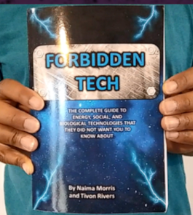
Our Book Forbidden Tech